The science of air, made clear.
Indoor air quality, heat-recovery ventilation, health and building standards — written for the people who design and build.
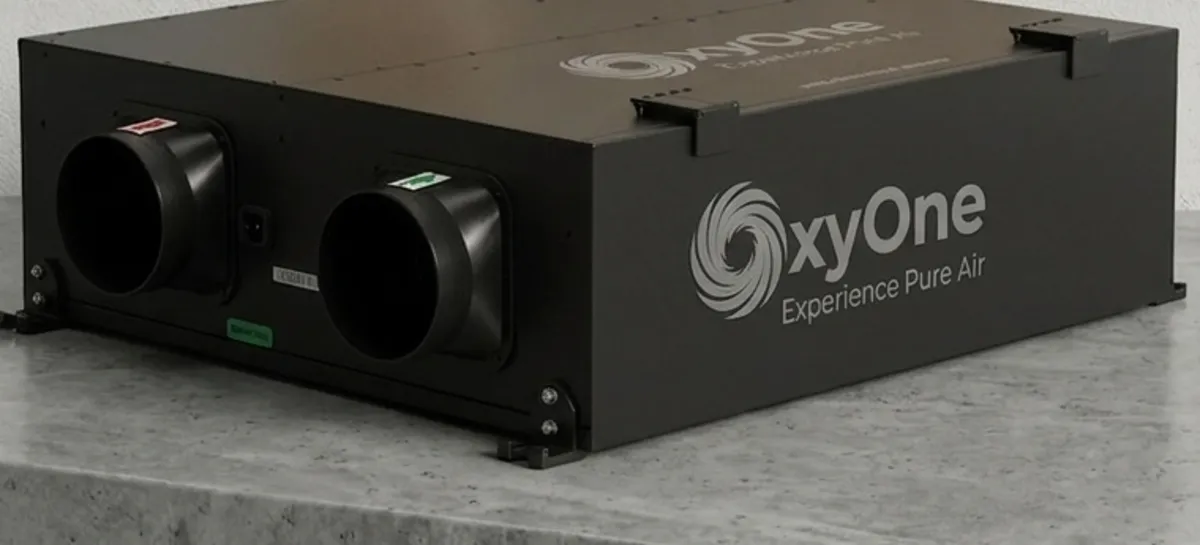 Featured
 Why the air inside is up to five times more polluted than the street.
Sealed for efficiency, modern buildings trap what we exhale and what we bring in. Here is what that does — and how ventilation changes it.
Read article → 6 min readLatest articles
A premium amenity buyers can feel: fresh air as a selling point
Why built-in ventilation is becoming a differentiator in luxury residential.
Inside the enthalpy core: how heat is recovered, not lost
A counterflow core lets two air streams trade energy without ever mixing. Here is how.
Allergens indoors: the season never really ends
Pollen and dust accumulate inside long after the outdoor season. Filtration keeps it out.
The hidden cost of opening a window in a sealed building
Fresh air should not mean lost energy, street dust, or noise. Recovery solves all three.
Specifying fresh-air recovery: a checklist for developers
From airflow sizing to co-branding — the decisions that protect your sales story.
Ventilation standards for healthcare buildings, explained
Air changes per hour, filtration class and pressure — what specifiers must meet.
What "99.9% at 0.3 microns" actually means
Filtration ratings are easy to misread. A plain-language guide to particle classes.
CO₂ and sleep: the bedroom problem you cannot feel
Closed bedrooms climb past 2,000 ppm by morning. What that does to rest and recovery.
HRV vs ERV: which fresh-air system does your building need?
Both recover energy. Only one recovers humidity. The choice depends on climate and use.
No articles in this topic yet.
Air quality intelligence, monthly.
New articles, technical guides and the OxyOne catalog — sent to your inbox. No noise.